Saturated fat is fine now, so butter is back
Short answerNot the way you think
On this page
Not the way people mean it. The 2026 US guidelines do list butter as an option, after olive oil, and in the same paragraph they keep saturated fat under 10% of calories. In 15 trials, eating less saturated fat meant 17% fewer heart events.
The “butter is back” idea has real roots, which is why it spread. In January 2026 the new Dietary Guidelines named butter and beef tallow as fats you can cook with. The biggest review of saturated fat trials found little or no change in deaths. And a famous old trial of corn oil, rediscovered in 2016, found no benefit. Put those three together and it sounds like the old advice was wrong.
Each piece is true, and none of them says butter is fine to use freely.
What we’d do
Use butter where you can taste it, on good bread or in a sauce, and count it. Cook with olive oil day to day. One tablespoon of butter is a third of a 2,000 calorie day’s saturated fat line, so the butter you cook with every morning is the first thing to swap.
If you remember three things
- The 2026 guidelines put olive oil first and kept the 10% line. Butter is listed as another option.
- A tablespoon of butter has 7.2 g of saturated fat, a third of a 22 g line. Olive oil has 1.8 g.
- Swapping 10 g of butter a day for plant oils went with 17% fewer deaths in a study of 221,054 US adults.
What do the 2026 guidelines say?
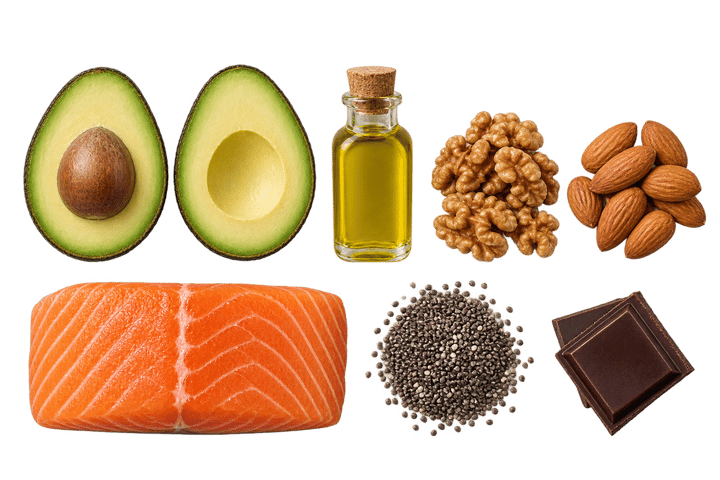
Here’s the whole passage on fats, from page 3. “When cooking with or adding fats to meals, prioritize oils with essential fatty acids, such as olive oil. Other options can include butter or beef tallow. In general, saturated fat consumption should not exceed 10% of total daily calories.”
Olive oil comes first and is called a priority, and butter is an “other option”. The limit that follows is the same 10% the 2020 to 2025 guidelines used. A tablespoon of butter fits inside that limit. A few tablespoons a day, plus cheese and meat, don’t.
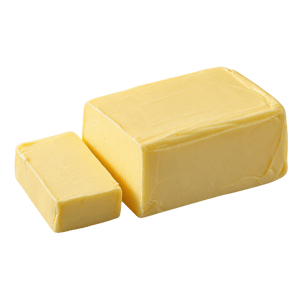
That bar is three tablespoons of butter, 21.6 g of saturated fat, against a 2,000 calorie day’s line of 22 g. It’s almost the whole day’s line before you’ve eaten anything else.
Didn’t the big review say saturated fat doesn’t matter?
It said something more specific. The 2020 Cochrane review pooled 15 randomized trials with 56,675 people, each lasting at least two years. Eating less saturated fat cut heart attacks, strokes and other heart events by 17%. It made little or no difference to deaths from any cause or from heart disease.
The trials show that cutting saturated fat prevents heart events, and they haven’t shown that it makes people live longer. That’s a real limit, though heart attacks and strokes that don’t kill still change a life, and those fell.
What about butter and death?
The best evidence there is observational. In 2025 researchers followed 221,054 US adults in three Harvard cohorts for up to 33 years. People who ate the most butter had 15% more deaths than those who ate the least. People who used the most plant oil, such as canola, soybean and olive oil, had 16% fewer. Swapping 10 g of butter a day, about two thirds of a tablespoon, for plant oils went with 17% fewer deaths and 17% fewer cancer deaths.
That’s a cohort, so the butter eaters may have differed in other ways, though the researchers adjusted for many of them. Put it next to the trials, which show the swap cuts heart events, and the newest US cholesterol guideline, which recommends replacing saturated fat with unsaturated fat to lower LDL, and the pieces fit together.
And the corn oil trial?
The Minnesota Coronary Experiment, run from 1968 to 1973 and re-analyzed in 2016, is a real result. People who ate corn oil in place of saturated fat lowered their cholesterol and didn’t live longer. Its own authors note that the control diet carried a lot of trans fat from the margarines of the time. The seed oil page tells the full story. It’s one strong old trial, and the 15 trials in the Cochrane review still found fewer heart events when saturated fat came down.
When is butter fine?
Butter is fine when it fits your line. On 2,000 calories, a tablespoon of butter leaves you about 15 g for the rest of the day, which is enough for an ounce of cheese and a lean dinner. If your LDL is high, butter is one of the easiest things to change, since one bottle of olive oil replaces it in most cooking. Is butter worse than olive oil? puts the two side by side, and cholesterol.guide works out what the swap could do for your LDL.
7 sources
- US Department of Agriculture and US Department of Health and Human Services, Dietary Guidelines for Americans, 2025 to 2030, p. 3, January 2026cdn.realfood.gov
- Hooper and others, Reduction in saturated fat intake for cardiovascular disease, Cochrane Database of Systematic Reviews, 2020pmc.ncbi.nlm.nih.gov
- Zhang and others, Butter and plant-based oils intake and mortality, JAMA Internal Medicine, 2025pmc.ncbi.nlm.nih.gov
- Blumenthal and others, 2026 ACC/AHA/multisociety Guideline on the Management of Dyslipidemia, Circulation, March 2026, section 4.1api.iscpcardio.org
- Gebhardt and Thomas, Nutritive Value of Foods, Home and Garden Bulletin 72, Table 9, USDA Agricultural Research Service, 2002ars.usda.gov
- US Department of Agriculture and US Department of Health and Human Services, Dietary Guidelines for Americans, 2020 to 2025, p. 44, December 2020dietaryguidelines.gov
- Ramsden and others, Re-evaluation of the traditional diet-heart hypothesis: analysis of recovered data from Minnesota Coronary Experiment (1968-73), BMJ, 2016pmc.ncbi.nlm.nih.gov