Should kids drink whole milk?
On this page
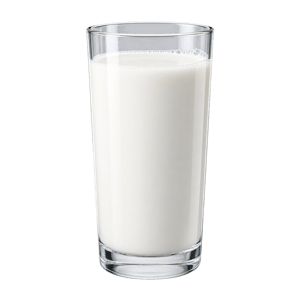
It depends on your child’s age, and in 2026 the advice split in two. Pediatricians advise whole milk from 12 to 24 months, then nonfat or 1% milk from age 2. The new US Dietary Guidelines say “full-fat dairy products are important for children to help meet energy needs and support brain development,” and a law signed on January 14, 2026 lets schools serve whole and 2% milk again. Your pediatrician can tell you which fits your child.
Most parents today grew up with low-fat milk as the healthy choice, and for years school lunches couldn’t offer whole milk at all, under a rule meant to limit how many of children’s calories came from fat. The 2026 change can feel like a reversal, and in schools it is one. The American Academy of Pediatrics’ page for families, last updated in 2023, still advises lower-fat milk from age 2.
What we’d do: follow your pediatrician on the kind of milk, since the two sets of advice differ for children 2 and older. Either way, plain milk beats flavored, water goes in between, and fish goes on the plate twice a week in a serving for the child’s age.
What pediatricians advise
The American Academy of Pediatrics, on its family site HealthyChildren.org (last updated October 3, 2023), suggests no cow’s milk before 12 months. From 12 to 24 months it’s whole milk, about 2 cups a day. From 2 to 5 years it’s nonfat or 1% milk, about 2 to 3 cups a day. Nemours KidsHealth gives the reason for whole milk at 1 to 2. Toddlers need the fat for brain development, and a child at risk of becoming overweight may switch earlier.
What changed in 2026, by date
- January 2026. The Dietary Guidelines for Americans, 2025 to 2030, say “When consuming dairy, include full-fat dairy with no added sugars.” In their section on children 5 to 10, they add that full-fat dairy is important for children’s energy needs and brain development.
- January 14, 2026. The Whole Milk for Healthy Kids Act was signed into law. Schools in the federal lunch program can offer whole milk (3.25% milk fat) and 2% again, beside low-fat and fat-free.
- May 8, 2026. The USDA’s final rule brought full-fat and 2% milk back into the federal child nutrition programs for children and adults ages 2 and older. The USDA said whole milk is “especially important for young children aged 1 to 10 to support energy needs and brain development.”
How much saturated fat is in a glass?
A cup of whole milk has 5.1 g of saturated fat, and a cup of 2% has 2.9 g, from the USDA’s tables. This site doesn’t set fat targets for children, since their needs change a lot with age and growth. For an adult on 2,000 calories, three cups of whole milk come to 15.3 g, about 70% of the day’s saturated fat line, and is full-fat dairy healthy? has the adult numbers. Where whole milk adds up is a family where everyone drinks it and the adults’ cholesterol is already high. The full-fat dairy myth works through that for grown-ups.
Fish for kids
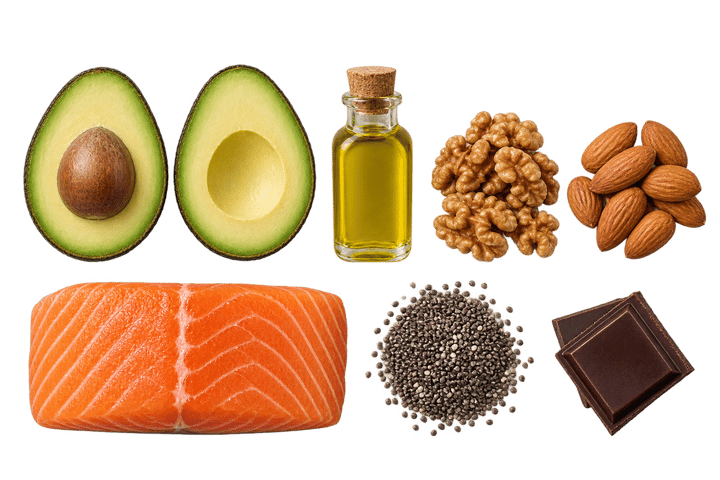
The other fat children need is omega-3, and the US advice for it is fish. The FDA suggests 2 servings a week from its Best Choices list, the fish lowest in mercury, like salmon, sardines, trout and canned light tuna. A serving is smaller for a child: about 1 ounce at age 1 to 3, 2 ounces at 4 to 7, 3 ounces at 8 to 10 and 4 ounces from 11. The FDA gives no fish oil dose for children, and neither does this site.
For parents
- The American Academy of Pediatrics’ guide to drinks for children 0 to 5 on HealthyChildren.org, updated October 3, 2023.
- Nemours KidsHealth on when kids can switch to lower-fat milk, reviewed August 2018.
- The FDA’s advice about eating fish for children 1 to 11, with its lowest-mercury list.
- Ask your pediatrician before changing milk for a child under 2, a child with a milk allergy or intolerance, or a child whose weight or cholesterol a doctor is already watching.
When the advice changes covers the other groups the fat advice differs for.
7 sources
- American Academy of Pediatrics, HealthyChildren.org, Recommended drinks for young children ages 0 to 5, last updated October 3, 2023healthychildren.org
- Nemours KidsHealth, When should kids switch to nonfat milk?, reviewed August 2018kidshealth.org
- US Department of Agriculture and US Department of Health and Human Services, Dietary Guidelines for Americans, 2025 to 2030, pp. 2 and 7 (middle childhood, 5 to 10 years), January 2026cdn.realfood.gov
- DTN Progressive Farmer, President Trump signs Whole Milk for Healthy Kids Act, January 16, 2026dtnpf.com
- US Department of Agriculture, USDA implements President Trump's Whole Milk for Healthy Kids Act, press release of May 8, 2026, as reprinted by Oklahoma Farm Reportoklahomafarmreport.com
- Gebhardt and Thomas, Nutritive Value of Foods, Home and Garden Bulletin 72, Table 9, items 118 and 119, USDA Agricultural Research Service, 2002ars.usda.gov
- US Food and Drug Administration, Advice about Eating Fish, content current as of March 5, 2024fda.gov