How much omega-3 is in your capsule?
The big number on the front is the oil. The omega-3 is in two lines on the back: EPA and DHA. Type them in.
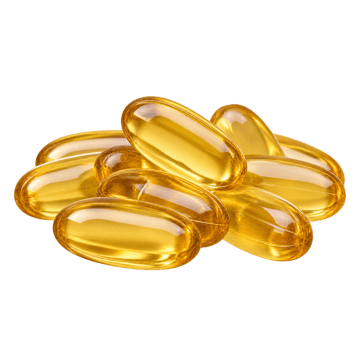
Type the EPA and DHA from the back of your bottle, per serving.
What your result means
- Less than half the capsule is EPA and DHA: the rest is other fat, so it takes more capsules than the front of the bottle suggests to get a given amount.
- Your day comes to less than a fish week: two servings of salmon, sardines or trout a week give you as much or more, with the protein.
- 1,000 mg a day or more: in trials that gave more than 1 g a day, the risk of an irregular heartbeat was about half again higher. Talk to your doctor first.
- You take it for your heart: in VITAL, 1 g a day didn't prevent major heart events in healthy US adults over 50. The US advice is the fish.
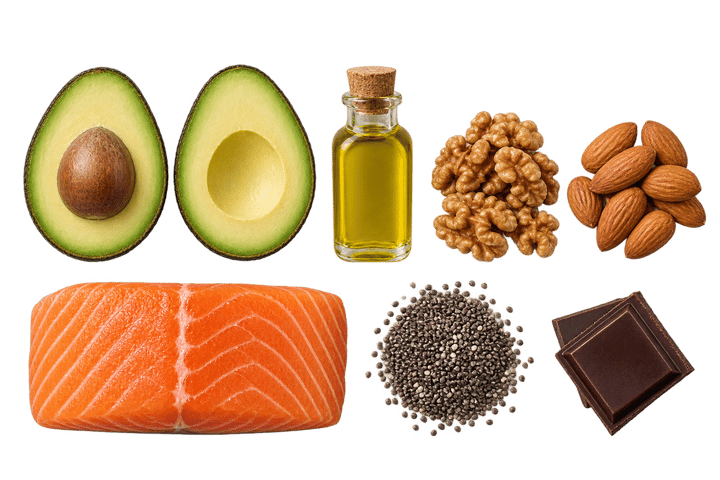
What foods are high in omega-3? has the food route, fish and plants.
How it works
EPA plus DHA per capsule is the two lines added, divided by the capsules in a serving. The share of the capsule is that over the capsule's weight. A week of 8 oz of sardines comes to about 320 mg a day of EPA plus DHA, of farmed salmon about 700 mg (USDA FoodData Central).
What the trials found
In VITAL, 25,871 US adults over 50 took 1 g of fish oil omega-3 or a placebo every day for about five years. Major heart events came out about even: 386 on fish oil, 419 on placebo. Across seven big heart trials, fish oil raised the risk of an irregular heartbeat by about a quarter, and by about half above 1 g a day.
The US advice is fish: at least 8 ounces a week. This check works from your own label and suggests no dose.
4 sources
- US Food and Drug Administration. Advice about Eating Fishfda.gov
- US Department of Agriculture. FoodData Central, SR Legacy, by FDC id: canned Atlantic sardines (175139) and farmed Atlantic salmon (175168)fdc.nal.usda.gov
- Manson JE and others. Marine n-3 fatty acids and prevention of cardiovascular disease and cancer (VITAL). New England Journal of Medicine, 2019pmc.ncbi.nlm.nih.gov
- Gencer B and others. Effect of long-term marine omega-3 fatty acids supplementation on the risk of atrial fibrillation. Circulation, 2021pmc.ncbi.nlm.nih.gov